Remember them. Protect the ones still here.
Wang Wang and her puppies in China, and Orelha in Brazil, became symbols in very different animal-welfare cases. Their stories remind us why animals need protection — and why advocacy should remain compassionate, factual, and focused on prevention.
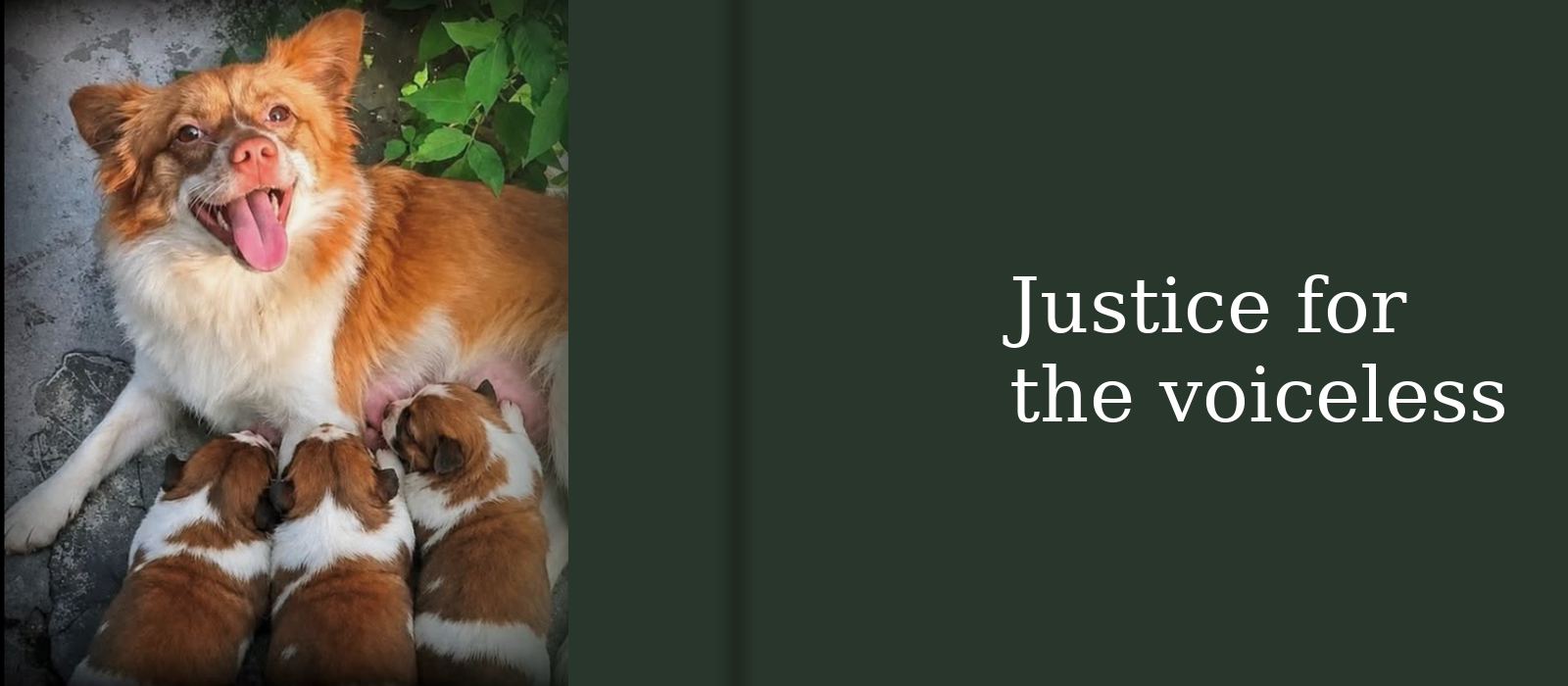
Wang Wang & her puppies
Wang Wang was a young stray mother dog living in Jieyang, Guangdong. Residents described her as gentle, trusting, and deeply attached to her puppies.
According to OIPA and widely circulated accounts, Wang Wang and her newborn puppies were subjected to prolonged violence by minors in late June 2026. Wang Wang and the puppies were killed, and video of the cruelty was circulated online.
OIPA formally contacted Chinese authorities and embassies, asking for transparency, preventive measures, psychological and educational intervention for the minors, accountability for guardians where appropriate, and stronger legal protection for companion and stray animals.

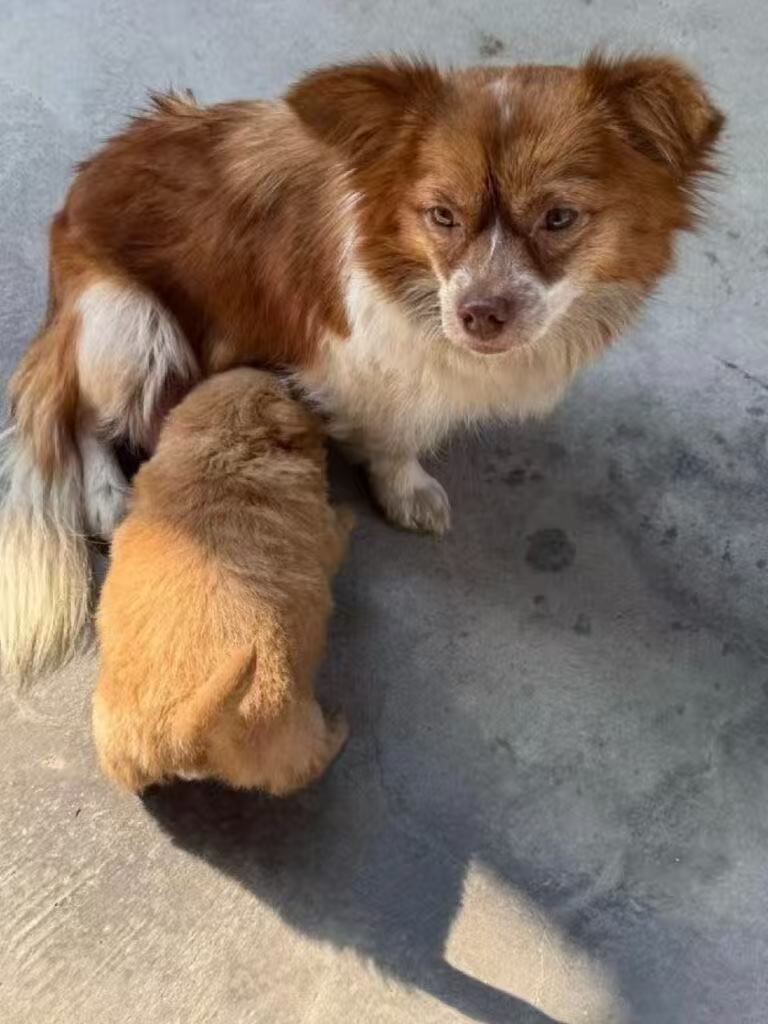
More photos of Wang Wang
Orelha
Orelha was a well-known community dog who had lived around Praia Brava in Florianópolis for years. He was found seriously ill and injured in January 2026 and was euthanized after veterinary care.
The case initially prompted a police investigation that attributed his injuries to an adolescent and generated nationwide protests against animal cruelty.
A later official review changed the case. In May 2026, the Public Prosecutor’s Office of Santa Catarina (MPSC) said forensic analysis of nearly 2,000 files, videos, images, and technical reports did not place the investigated adolescents with Orelha during the alleged attack period. MPSC said Orelha suffered from a severe pre-existing condition and requested that the proceeding concerning his death be archived.
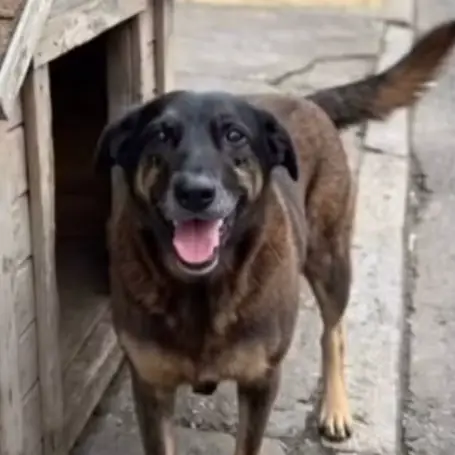
More photos of Orelha
Turn grief into protection.
For Wang Wang
Support humane treatment of stray and companion animals, credible rescue organizations, anti-cruelty education, and calls for transparent and enforceable animal-protection measures. Do not circulate graphic torture footage; it can retraumatize viewers and amplify the content perpetrators created.
Read OIPA’s actionFor community animals everywhere
Support sterilization, vaccination, veterinary access, adoption, humane community-animal programs, early intervention when cruelty is reported, and evidence-based investigations. Compassion and accuracy belong together.
Worth knowing
Places, people and decisions that make life better for animals.
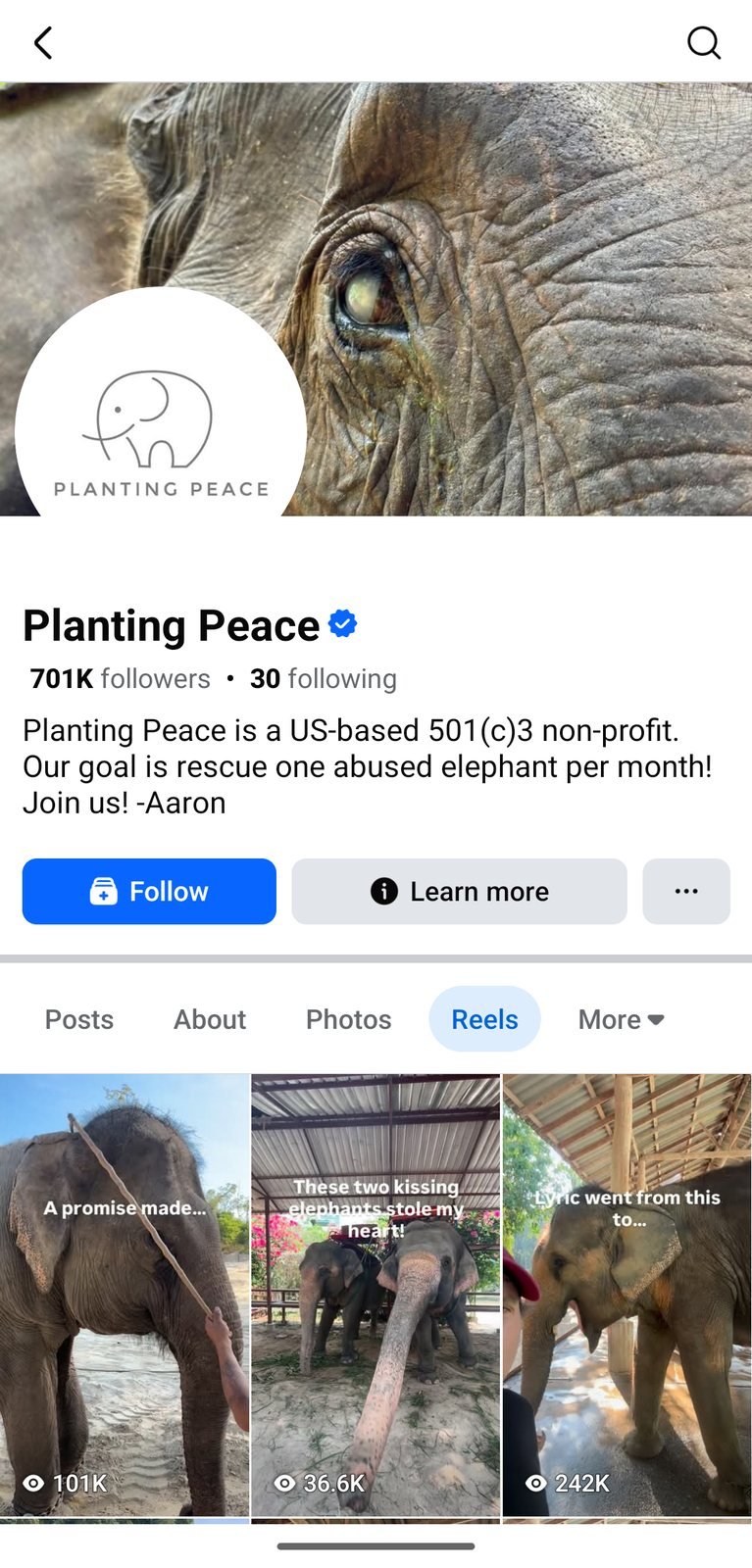
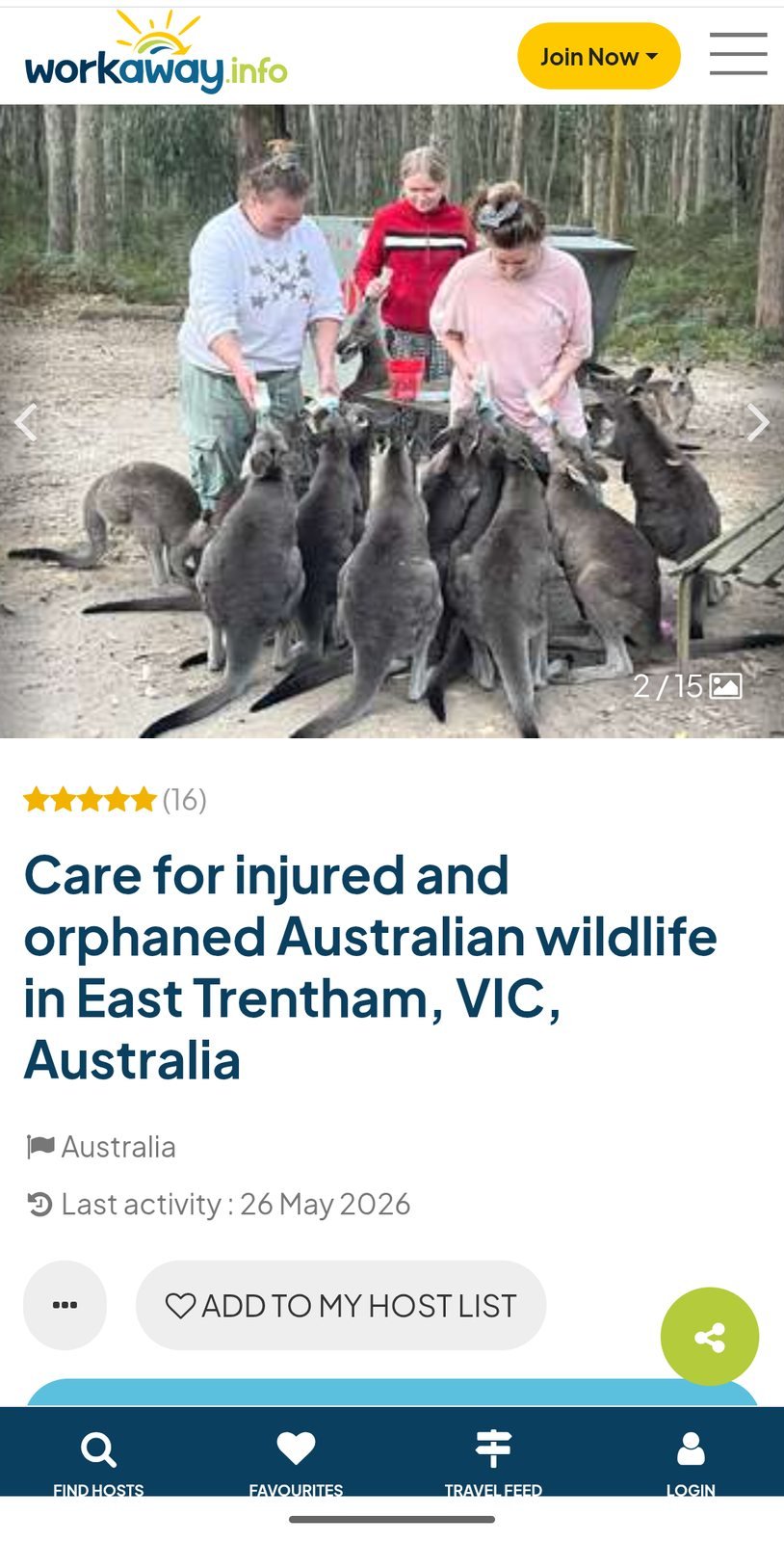
Primate research in Canada. In April 2026 Last Chance for Animals released the first undercover investigation into animal research at a Canadian university: nine rhesus macaques with cranial implants and restraint collars in barren cages at York University in Toronto. LCA has filed a complaint with the Canadian Council on Animal Care; York says its research meets regulatory standards. We are not showing the footage here. LCA’s investigation · Planting Peace · Workaway

Sources & updates
- OIPA International, July 17, 2026: formal action concerning Wang Wang and her puppies in Jieyang.
- Change.org: Justice for Wangwang petition and non-graphic community photographs.
- Agência Brasil, January–February 2026: reporting on Orelha and the initial police investigation.
- Ministério Público de Santa Catarina (MPSC), May 12, 2026: forensic review and request to archive the Orelha death proceeding after concluding the investigated adolescents and Orelha were not together during the alleged attack period and identifying a serious pre-existing condition.
This page intentionally distinguishes initial reporting from later official findings. If new official evidence materially changes either case, this page should be updated.